
INTERIOR PAINTING
INTERIOR PAINTING in Greenville, SC.
A fresh interior does more than change a color. It resets how light moves through a room, hides years of scuffs, and makes a house feel cared for. Spartan Painting Services handles interior painting for homes and businesses across Greenville, SC, from a single room to every wall in the building.
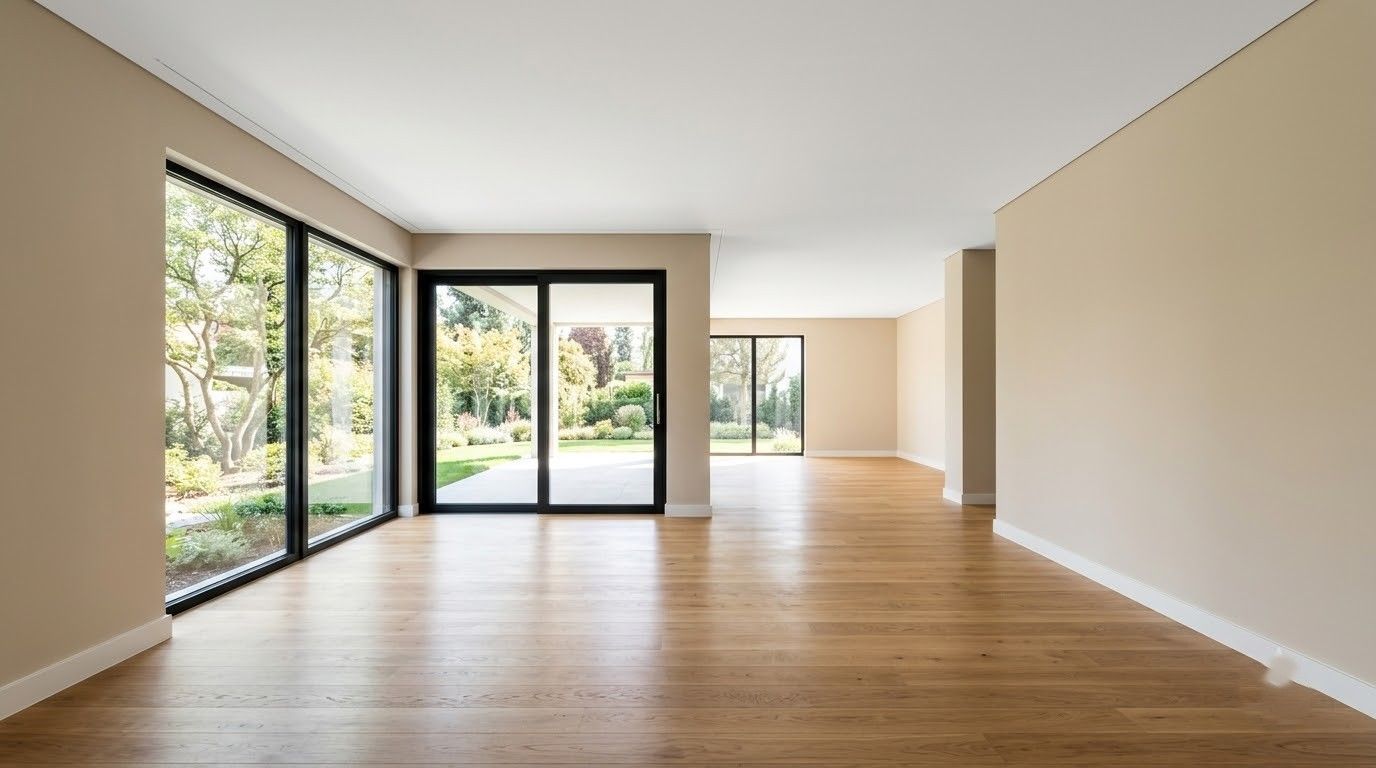
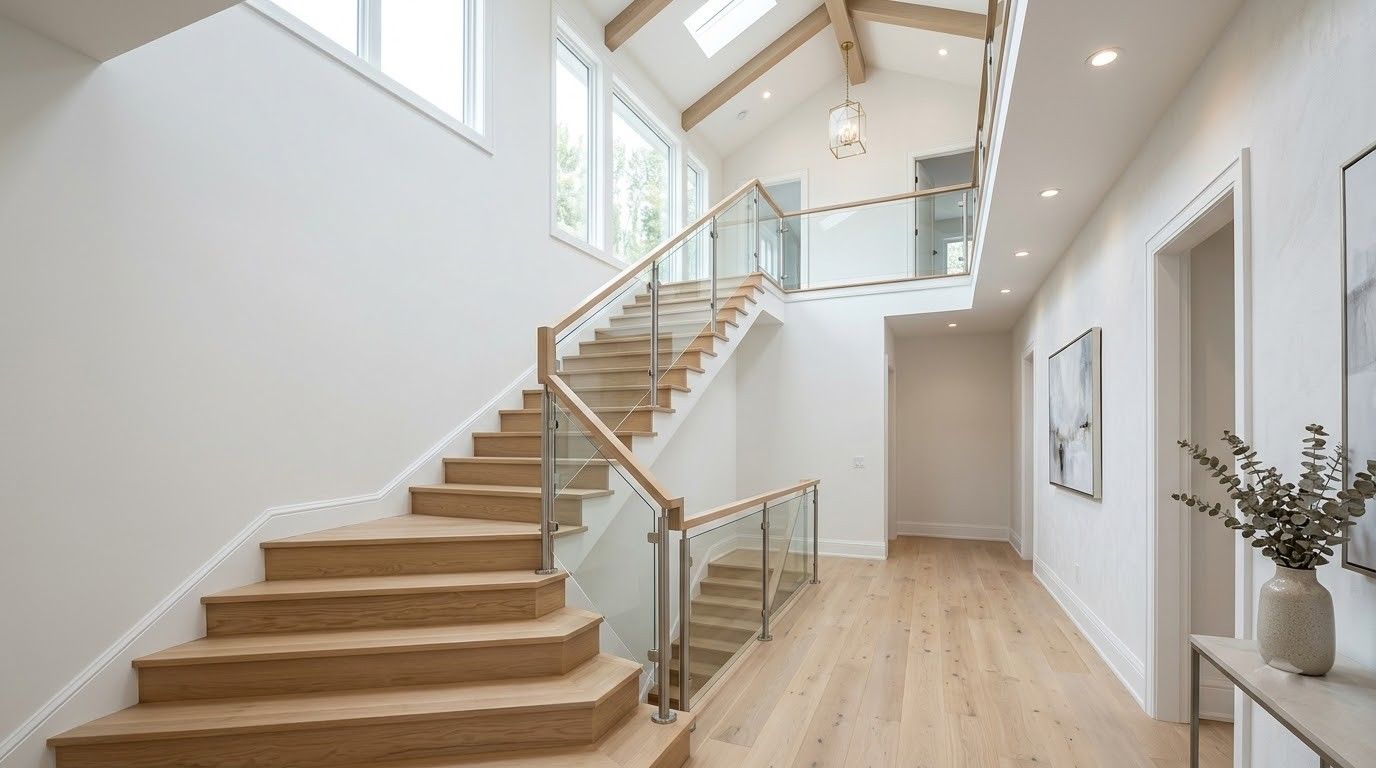
THE MESS IS THE PART PEOPLE REMEMBER.
Homeowners rarely regret the color. What they remember is the drop cloth that never covered the rug, the roller splatter on the baseboard, and the week the living room stayed unusable. We plan around that. Furniture gets moved and wrapped, floors get covered edge to edge, and every room we open gets closed the same day.
Prep comes before product. Nail holes filled, cracks taped, glossy trim scuffed, and stains sealed so they do not bleed through. Only then does color go on, in even coats with clean cut lines.
- Furniture moved, wrapped, and put back
- Nail holes, cracks, and stains addressed before priming
- Low-odor, low-VOC paints so rooms stay usable
- Cut lines checked by hand, not just taped
INTERIOR PAINTING
EVERY ROOM READS BETTER WITH THE RIGHT FINISH.
Sheen does as much work as color. Flat hides drywall imperfections on a ceiling, eggshell wipes clean in a hallway, and semi-gloss stands up to hands on trim and doors. We match each surface to a product built for how it gets used, then apply it at the thickness the manufacturer specifies. That is why our walls still look right under lamp light two winters later.
GREENVILLE HOMES HAVE THEIR OWN QUIRKS.
Older Upstate houses carry plaster walls, oil-based trim, and settling cracks that reopen if they are only filled with lightweight compound. Newer builds in the suburbs come with builder-grade flat paint that marks the moment a chair touches it. We treat those as different jobs, because they are, and we choose primers and topcoats accordingly instead of running one recipe everywhere. Both deserve a walkthrough before a brush ever moves.
10+ YEARS OF INTERIORS DONE RIGHT.
Time in Upstate homes teaches you where jobs go wrong: rushing recoat times in humid weather, skipping primer over fresh patches, taping trim that was never wiped down. We stopped making those mistakes long ago, and the crew that shows up at your door is the same one that learned the lessons. Want to see how we would approach your rooms before committing to anything? Ask for a walkthrough and an estimate.
WHAT A PROPER INTERIOR JOB GIVES BACK
ROOMS THAT WIPE CLEAN
Scuffs from backpacks, dog tails, and furniture come off with a damp cloth instead of leaving a permanent mark, because the sheen was chosen for how the room actually gets used.
LIGHT THAT WORKS FOR YOU
A lighter ceiling and warmer walls can make a small room feel taller and a north-facing one feel less cold, without moving a single wall, changing a window, or adding another light fixture.
NO LINGERING SMELL
Modern low-VOC coatings let you sleep in the bedroom the same night it was painted, which matters in a full house where nobody wants to camp in the den for a week.
SURFACES THAT LAST
Sealed patches, primed stains, and properly scuffed trim mean the finish bonds instead of peeling at the first bump, so the next repaint is a choice rather than a repair.
A HOUSE THAT SHOWS BETTER
Buyers and appraisers read fresh, neutral interiors as maintenance, not decoration. Few upgrades return as much for as little as a clean, consistent paint job through the main living spaces.
YOUR ROUTINE INTACT
Work moves room by room on a posted schedule, so kitchens stay usable, bedrooms stay slept in, and nobody has to guess which door they can open in the morning.
WHAT WE PAINT
OUR INTERIOR PAINTING WORK.
Six areas cover almost every interior request we get, and most projects combine two or three of them. Each one is priced and prepped separately so nothing gets rolled into a vague line item.
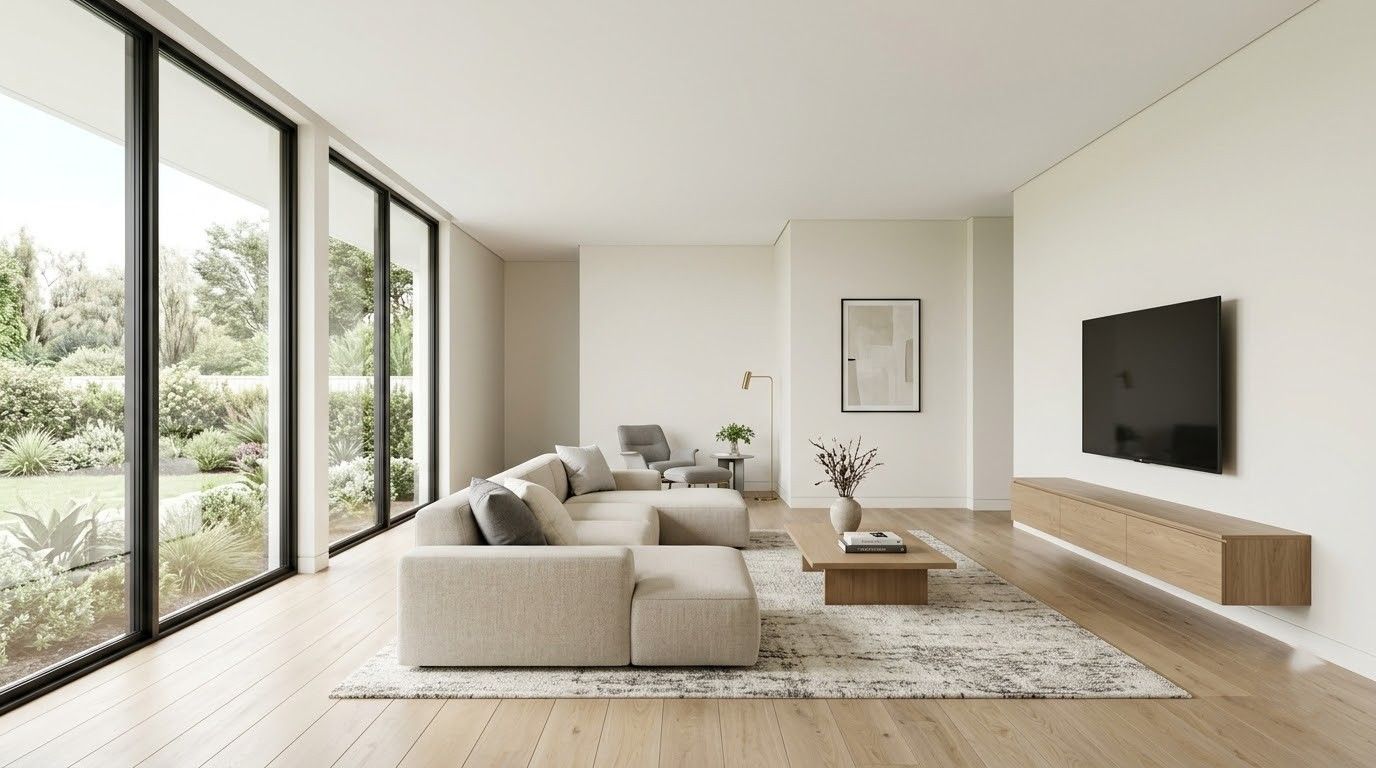
LIVING SPACES
Walls and Ceilings
Broad surfaces set the tone for everything else. Patched, primed, and rolled in consistent passes, they come back without lap marks, roller stipple changes, or the shadow of the old color at the corners.
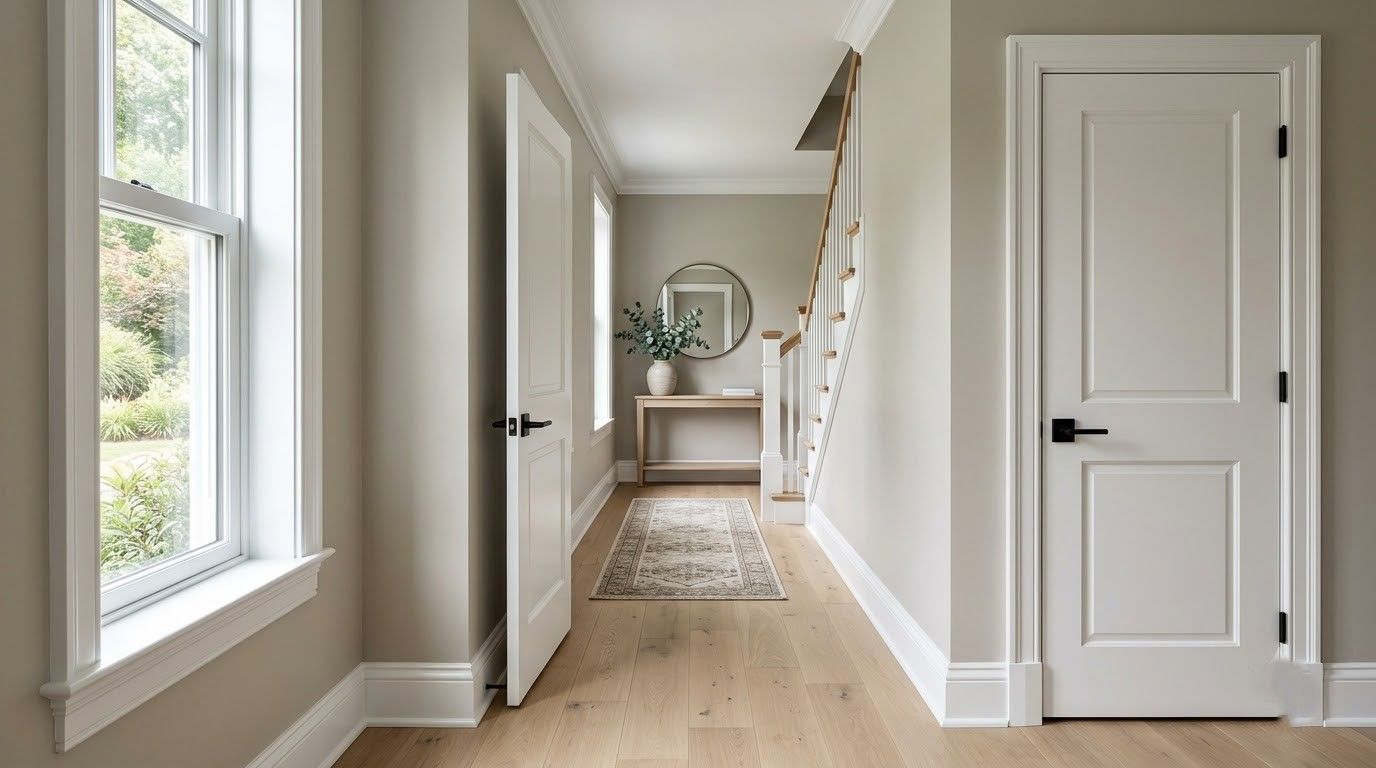
FINE DETAIL
Trim, Doors, and Baseboards
Sharp lines here are what make the rest of the room look intentional. Old gloss gets scuffed, gaps get caulked, and a hard enamel goes on smooth enough that hardware and hinges never catch on ridges.
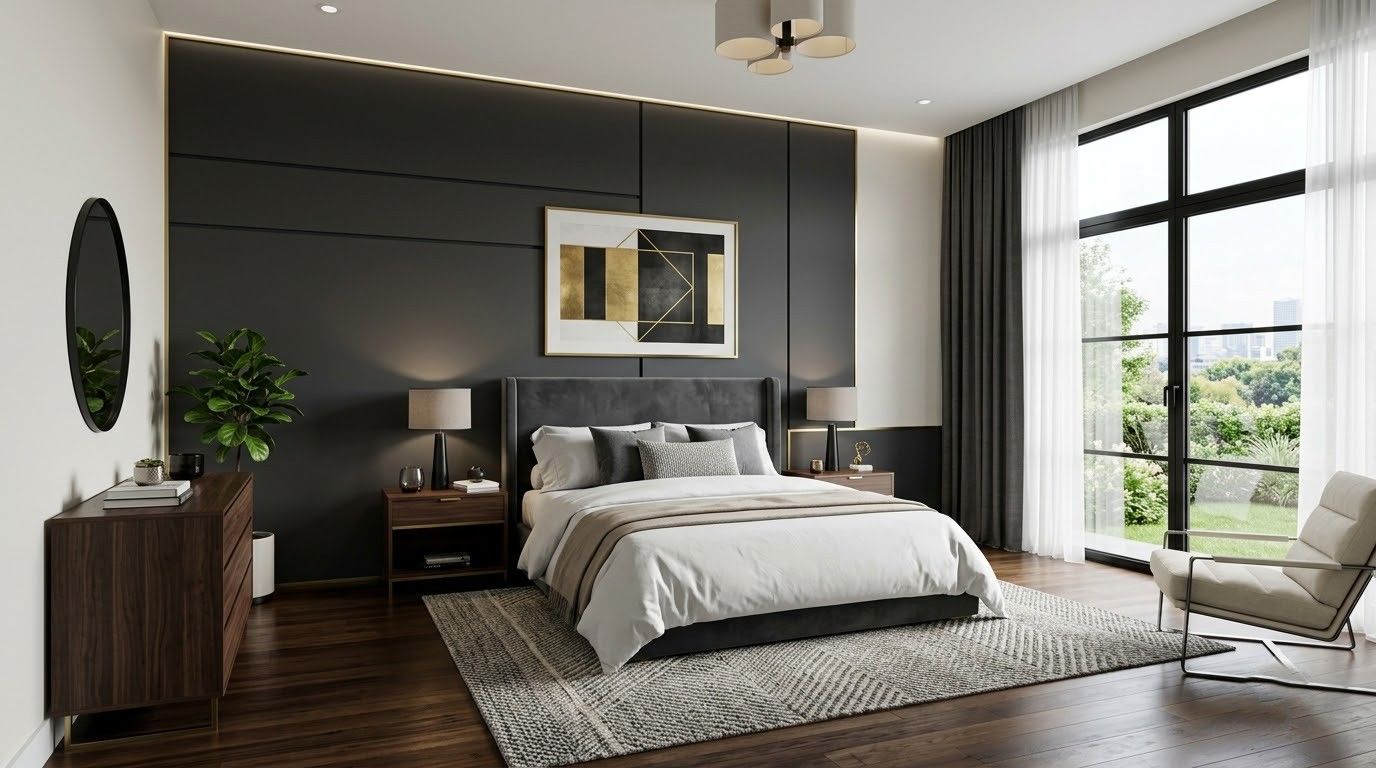
FOCAL WALLS
Accent Walls and Color Blocking
One wall can carry a whole room. Layout gets snapped and leveled first, edges are cut by hand rather than trusted to tape, and the transition reads crisp from across the room instead of fuzzy up close.
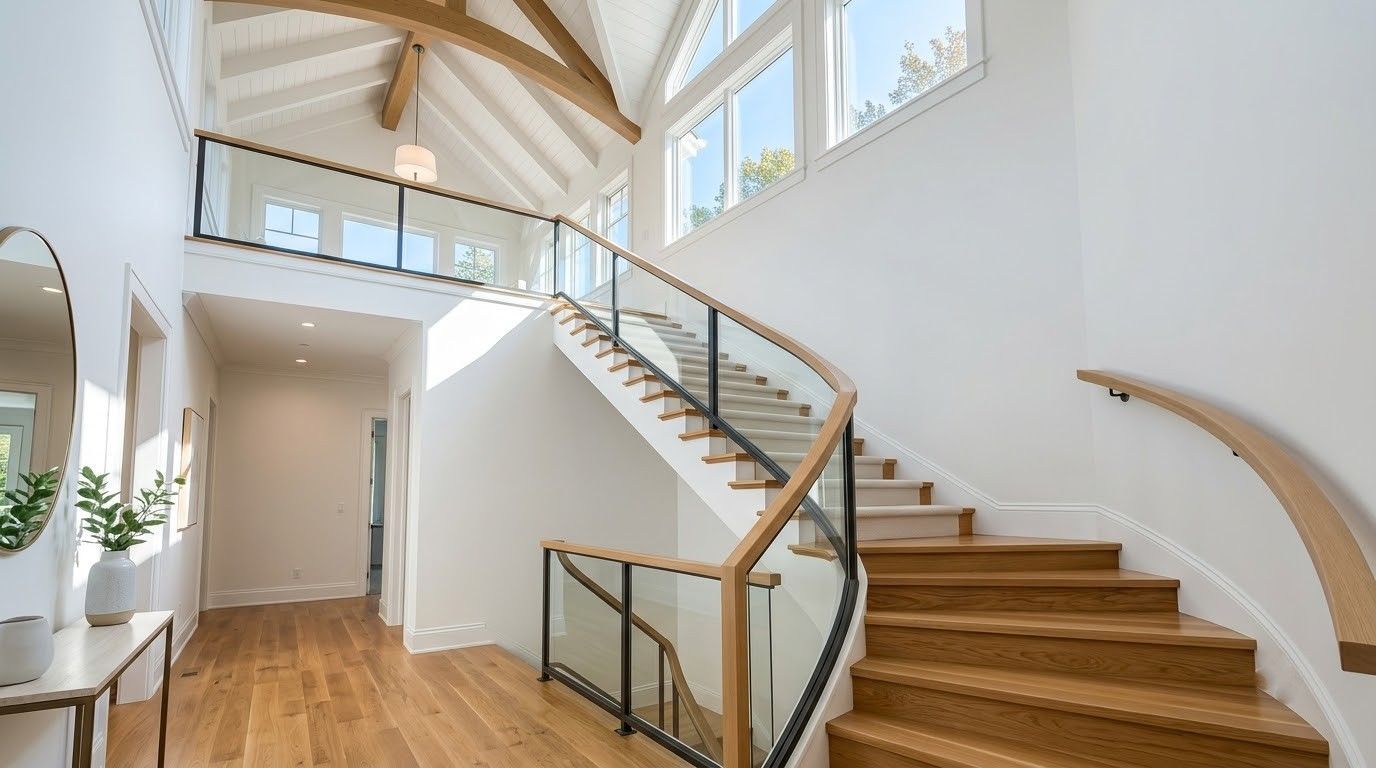
TIGHT SPACES
Stairwells and Hallways
High walls and constant traffic make these the hardest surfaces in a house to keep looking new. Scaffolding safely reaches what ladders cannot, and scrubbable finishes absorb the daily contact that busy hallways always deliver.
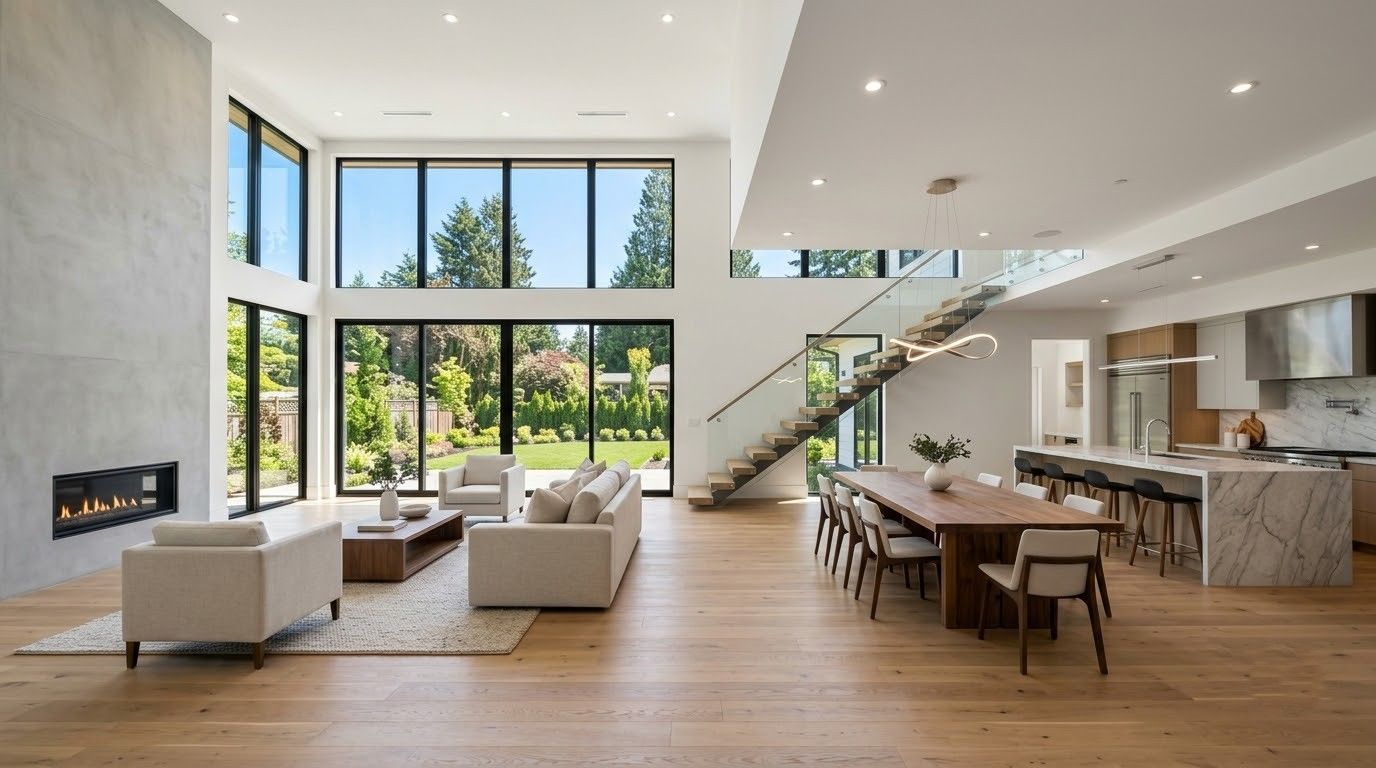
BARE BOARD
New Construction Interiors
Fresh drywall drinks paint unevenly until it is sealed. A dedicated primer coat evens out porosity across board and joint compound, so the finish color lands uniform instead of patchy over every taped seam.
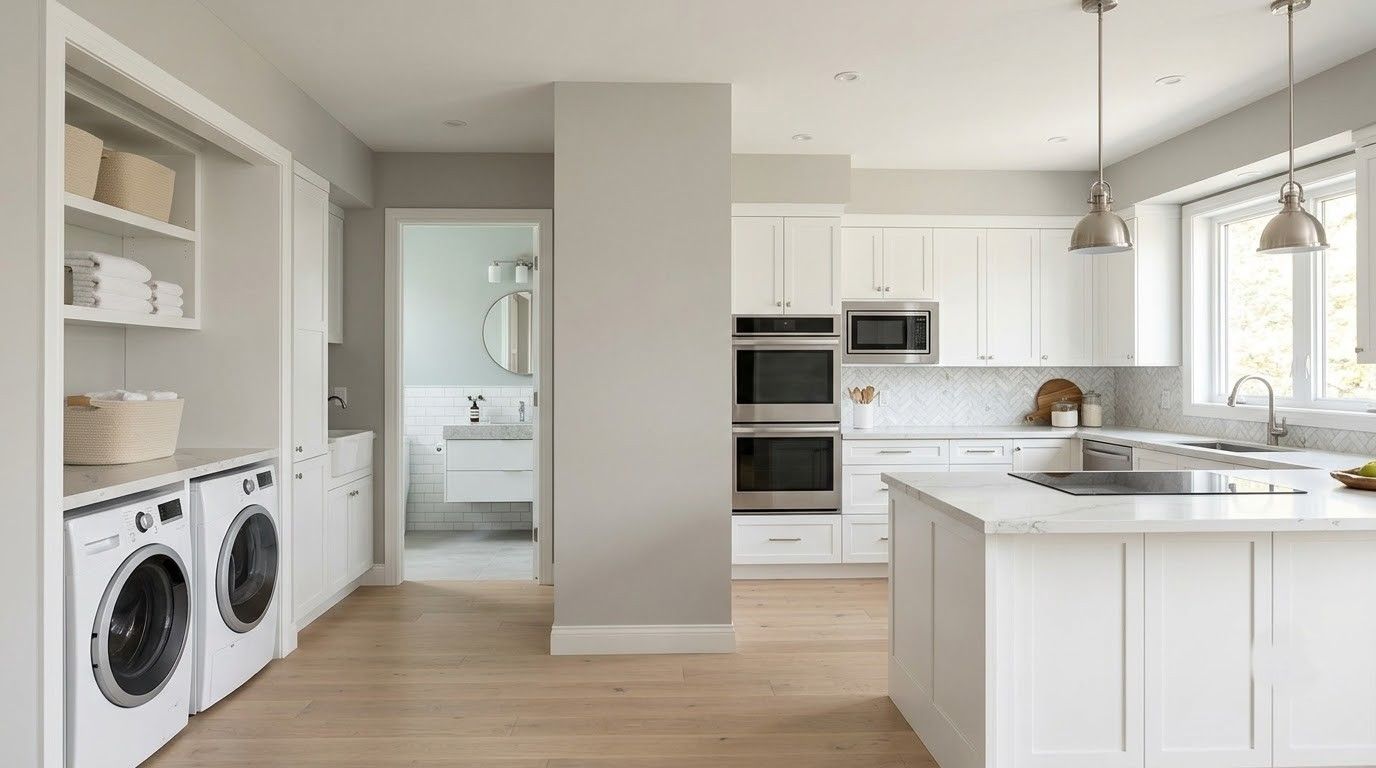
DAMP ROOMS
Bathrooms, Kitchens, and Laundries
Steam and splashes punish ordinary wall paint within a season. Mildew-resistant coatings and careful sealing around tubs, sinks, and backsplashes keep the edges from lifting and stop dark spotting from appearing in the corners.
Common Questions
frequently asked
questions.
Before an interior project starts, most people ask some version of these. Short answers here, longer ones in person when we walk the rooms with you.
How long does interior paint take to dry between coats?
Touch dry usually takes an hour, but a second coat should wait 4 hours or longer. Cool, humid rooms slow that down, so we watch conditions rather than the clock on the can.
How many coats of paint do interior walls need?
Two finish coats over primer is standard. Bold colors, big color changes, and previously unpainted drywall often need a third, and we call that out in the estimate rather than after the fact.
Do I need to prime before painting interior walls?
Prime bare drywall, fresh patches, water stains, glossy trim, and any dramatic color change. Repainting a similar color over sound, previously painted walls usually does not need a separate primer coat.
What paint sheen is best for interior walls?
Eggshell and satin suit most living areas because they wipe clean without highlighting wall flaws. Flat belongs on ceilings, and semi-gloss or enamel belongs on trim, doors, and bathroom walls.
Do I need to move out while my house is being painted?
Almost never. Spartan Painting Services works room by room in Greenville, SC homes so a bedroom, bathroom, and kitchen stay available, and low-VOC products keep the air easy to live with.
How long does it take to paint the interior of a house?
A single room typically takes 1 to 2 days including prep. An average three-bedroom house runs 4 to 7 days, with trim and ceiling work adding time more than wall square footage does.
Should ceilings and trim be painted before the walls?
Ceilings first, then walls, then trim and doors last. Working top down means drips and overspray land on surfaces that have not been finished yet, which keeps the final coats clean.
How do you keep paint from bleeding under the tape?
We seal the tape edge with the existing wall color first, let it dry, then apply the new one. Anything that bleeds is the old color. Spartan Painting Services has used that trick across Greenville, SC for 10+ years.
We Measure the Opening
STEP 02
Our team takes accurate field measurements of the existing opening, frame, and threshold, since even small discrepancies can cause ordering errors or installation delays later in the process.
HOW WE WORK
FROM WALKTHROUGH TO FINAL COAT, HERE IS HOW.
STEP 01
Walk the Rooms With You
We start in your space, not on a spreadsheet. Every room gets measured, surfaces get inspected for damage, and you tell us what bothers you most so the scope reflects your priorities rather than ours.
STEP 02
Lock the Colors and Sheens
Samples go up on your actual walls and get looked at in morning and evening light. Once colors and sheens are settled, we order the exact product in the right quantity so nothing stalls halfway through the project.
STEP 03
Protect and Prepare
Furniture is moved or wrapped, floors are covered, and vents are masked. Then the real work starts: filling, sanding, caulking, and priming every surface that needs it before a drop of finish paint appears.
STEP 04
Cut, Roll, and Coat
Ceilings go first, walls next, trim last. Each coat gets its full recoat window, and cut lines are checked by eye at every corner instead of trusting tape to do all the thinking.
STEP 05
Reset the Space Daily
Nothing is left mid-project overnight. Tools are stored, floors are swept, and furniture goes back where it belongs, so the house is livable at dinner even when the job runs a full week.
STEP 06
Walk It Again Together
We hand you a light and walk every room. Anything you point at gets fixed before the crew loads out, and touch-up paint is labeled by room and left with you in a sealed container.