EXTERIOR PAINTING
EXTERIOR PAINTING in Greenville, SC.
Your exterior is the only part of your house that works a full shift every day. Sun, pollen, humidity, and driving rain all take a turn at it. Spartan Painting Services repaints homes and buildings across Greenville, SC with prep that lasts as long as the color does.
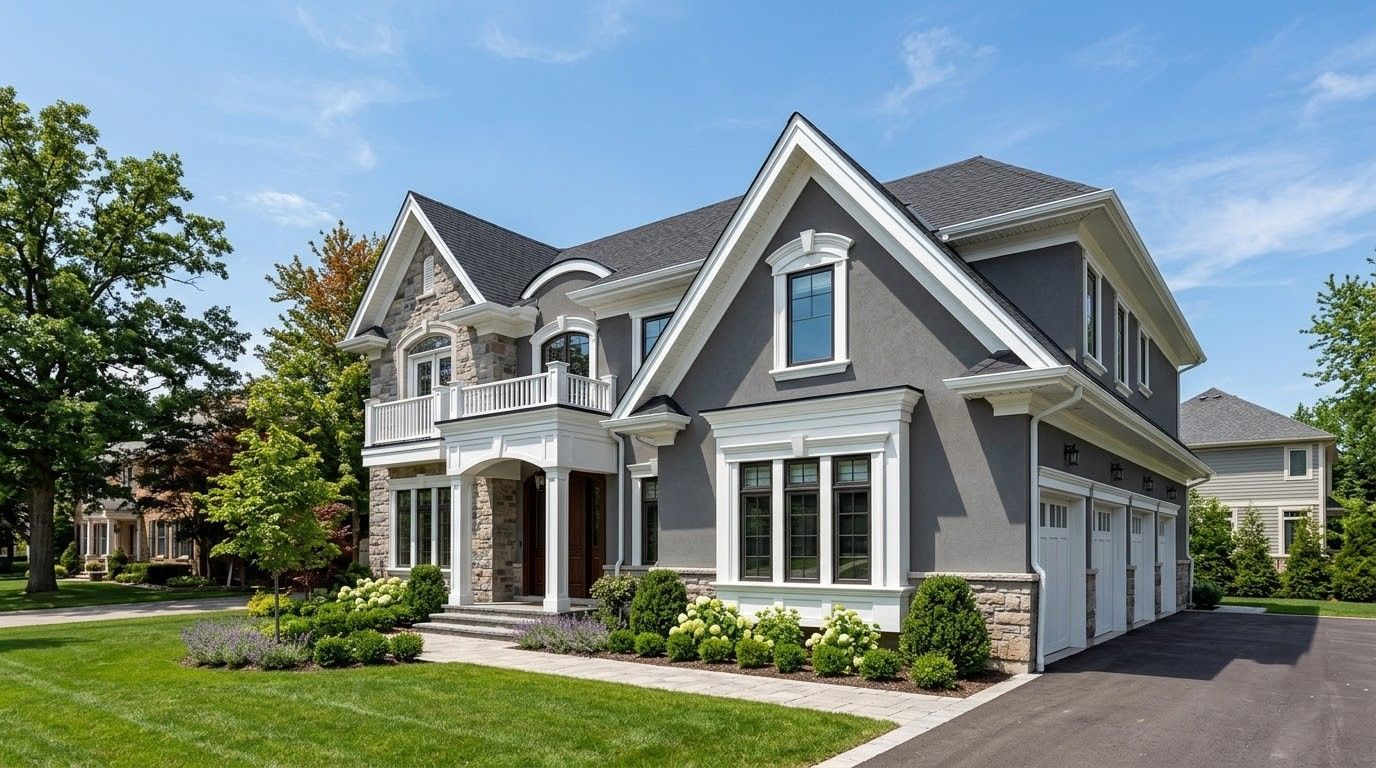
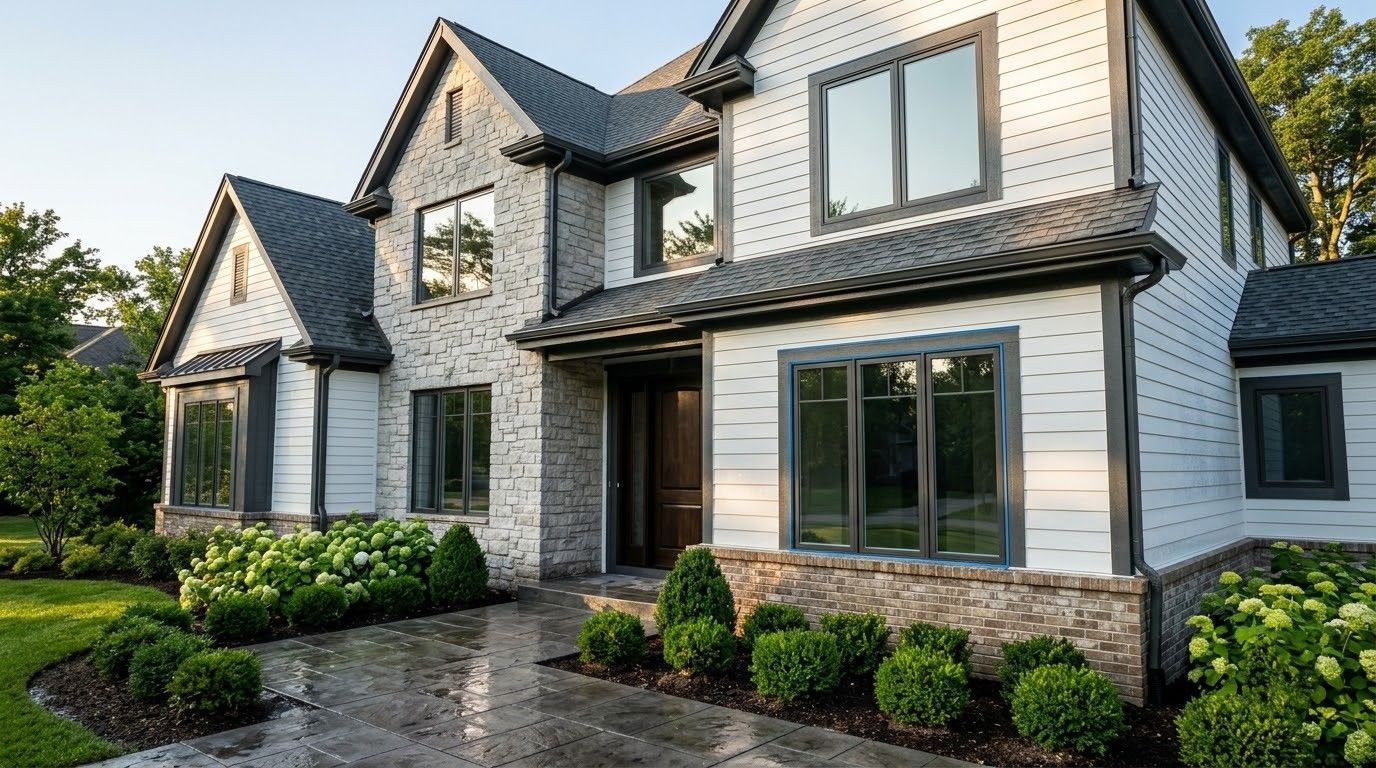
PAINT FAILS FROM THE BOTTOM UP.
Peeling siding is almost never a paint problem. It is a moisture problem, a chalking problem, or a prep problem that got covered instead of solved. We wash the surface, scrape back to sound material, spot prime bare wood, and reseal the joints where water actually gets in before any color is applied to a single board.
Then we watch the sky. Coatings applied in the wrong window will not cure properly, so we schedule around dew point, afternoon storms, and the surface temperature of the wall itself.
- Pressure washing before every exterior project
- Loose paint scraped and bare wood spot primed
- Caulking replaced at trim, corners, and windows
- Work scheduled around forecasts, not fixed dates
EXTERIOR PAINTING
CURB APPEAL IS THE CHEAPEST RENOVATION THERE IS.
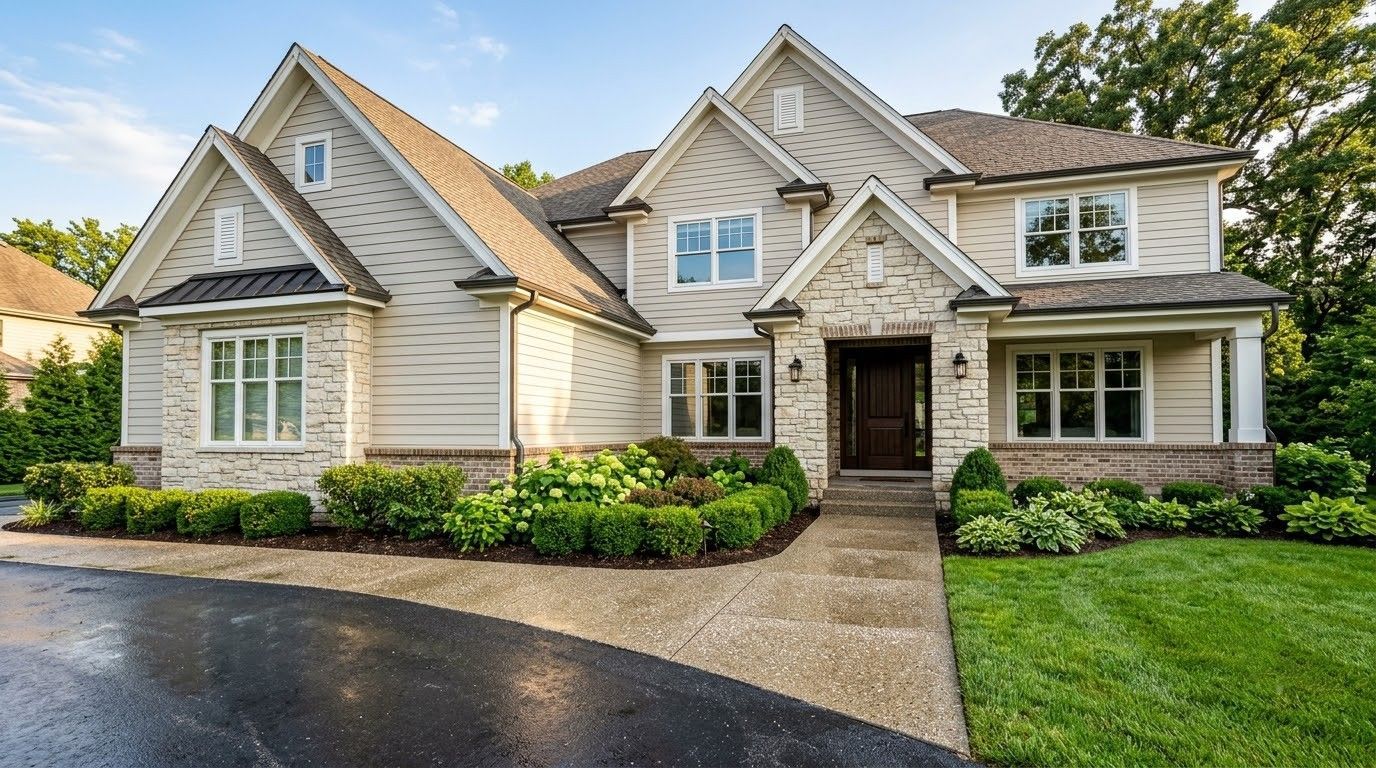
A repaint changes the whole read of a property for a fraction of what siding replacement costs. Color on the body, a contrasting trim line, and a front door with some confidence in it can make a 1970s ranch look deliberate instead of dated. The work is protective too. Every coat is a layer between your framing and the weather that would otherwise reach it, and the rot that follows.
UPSTATE WEATHER SETS THE RULES HERE.
Greenville summers push humidity into siding all day and pull it back out at night. Pollen coats everything in spring, and afternoon storms arrive with no warning in July. Coatings that perform in a dry climate simply do not last here. We choose acrylics with real flexibility, mildew-resistant additives, and primers that bond to chalked surfaces, because that is what this weather demands.
10+ YEARS ON UPSTATE EXTERIORS.
Long enough to know which subdivisions have HOA color palettes, which builders used hardboard siding that swells at the bottom edge, and which sun exposures burn a color out first. That knowledge shows up as fewer surprises: fewer change orders mid-project, fewer callbacks the following spring, and an estimate that reflects what the house actually needs. Want a straight assessment of your exterior before you spend anything?
WHAT A DONE-RIGHT EXTERIOR PROTECTS
A SEALED ENVELOPE
Caulked joints and properly coated surfaces keep rain out of the places it most wants to go: window edges, trim seams, and the bottom of siding boards where rot quietly begins.
COLOR THAT HOLDS
Quality acrylics resist the chalking and fading that turn a deep blue into a washed-out gray within a few Southern summers, so the shade you picked is the shade you keep.
FEWER REPAIRS LATER
Catching soft trim, failed caulk, and rusting nail heads during prep turns a small carpentry fix into part of the job instead of a much larger bill two years out.
INSTANT CURB APPEAL
Neighbors notice a repaint long before they notice anything else you spend money on, and appraisers count fresh exterior condition heavily when they walk the property line with a clipboard in hand.
EASIER MAINTENANCE
Smooth, sealed surfaces shed pollen and dirt with a garden hose instead of holding it in every crack, which keeps spring cleaning to an afternoon rather than a weekend project.
NO MID-JOB SURPRISES
Rot, insect damage, and hidden water intrusion get found during prep and reported with photos, so decisions get made with information rather than at the end of a rushed phone call.
WHAT WE COAT
OUR EXTERIOR PAINTING WORK.
Six surfaces make up nearly every exterior we touch, and each one takes a different prep sequence. We price them separately so you can see exactly where the labor is going.
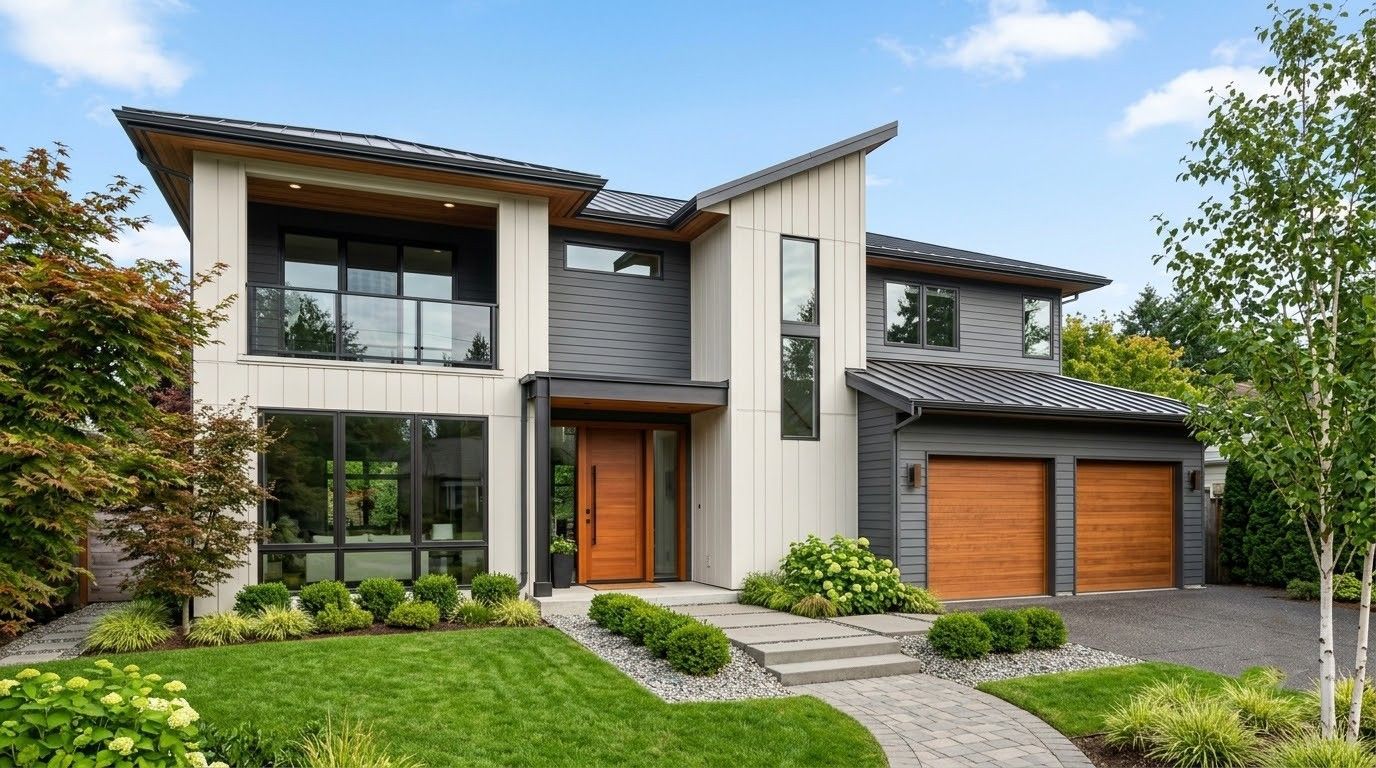
FULL BODY
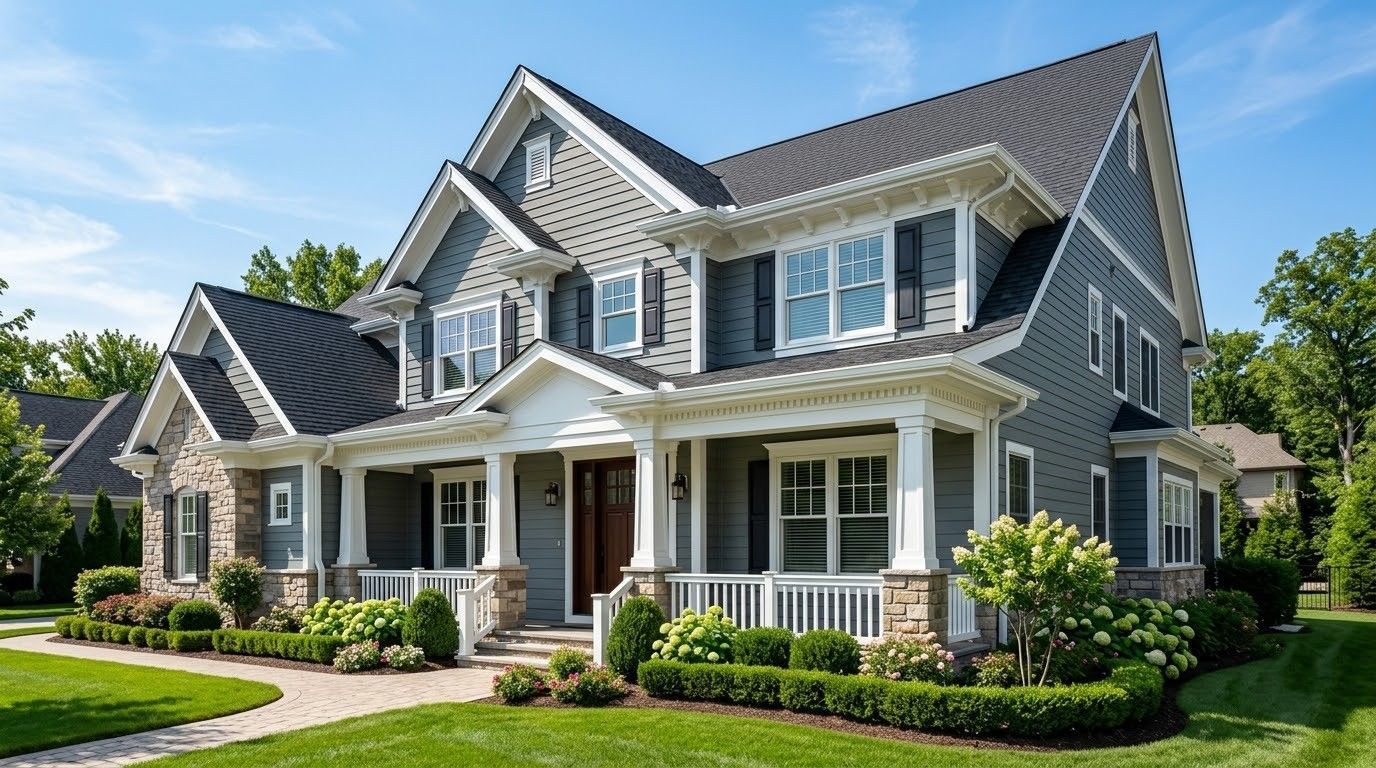
Siding and Lap Boards
Washed, scraped, and spot primed before coating, with special attention to the bottom edges and butt joints where water sits longest. Coverage is checked board by board rather than assumed from a distance.
SHARP EDGES
Trim, Fascia, and Soffits
These surfaces take the most weather and get the least attention. Failed caulk comes out, soft sections get flagged for repair, and enamel goes on in coats heavy enough to seal exposed end grain properly.
FIRST IMPRESSION
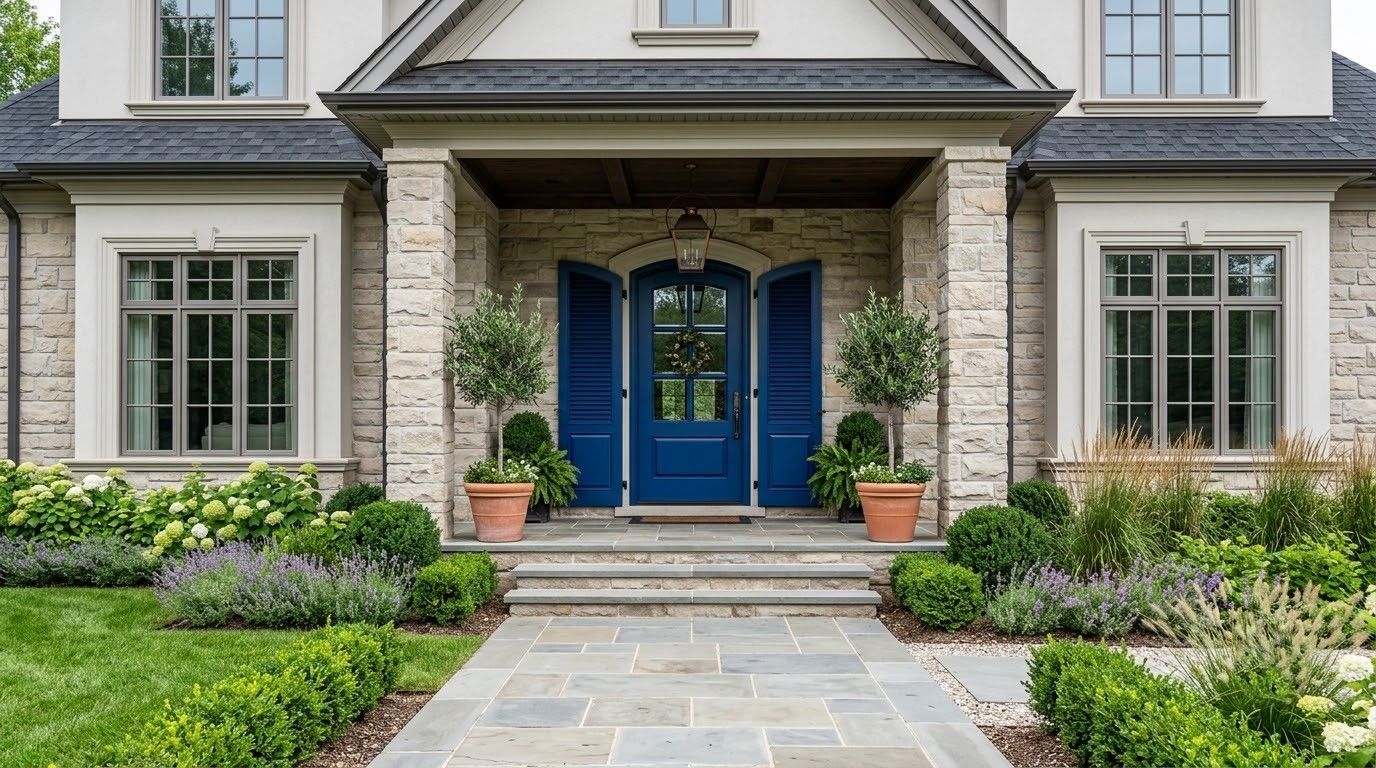
Front Doors and Shutters
A door is small enough to be bold and visible enough to matter. Hardware comes off, the surface gets sanded flat, and the finish is sprayed or laid off so brush marks never show.
MASONRY WORK
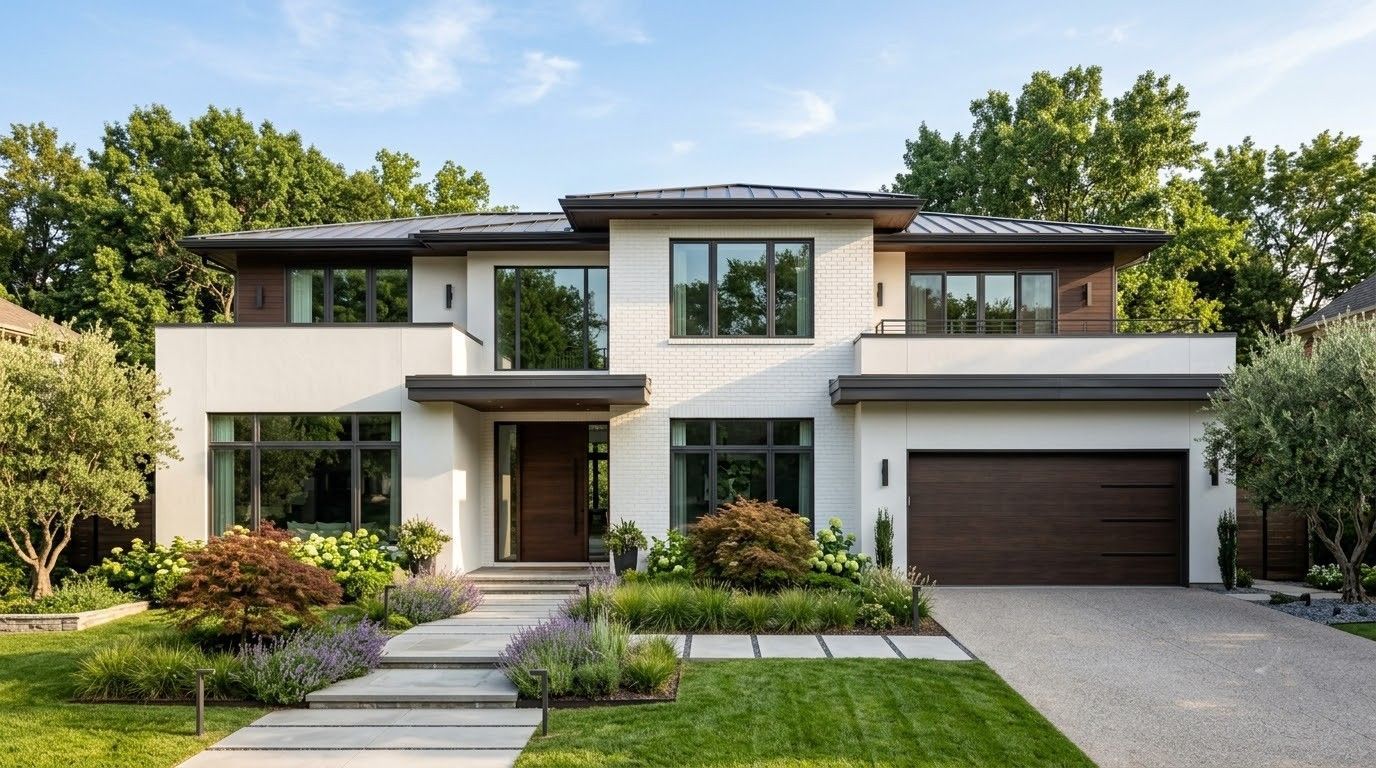
Brick, Stucco, and Block
Porous surfaces need breathable coatings and a masonry primer built to bond with alkaline substrates. Hairline cracks get filled and cured first, so the finish does not simply bridge them and split open a season later.
OUTDOOR LIVING
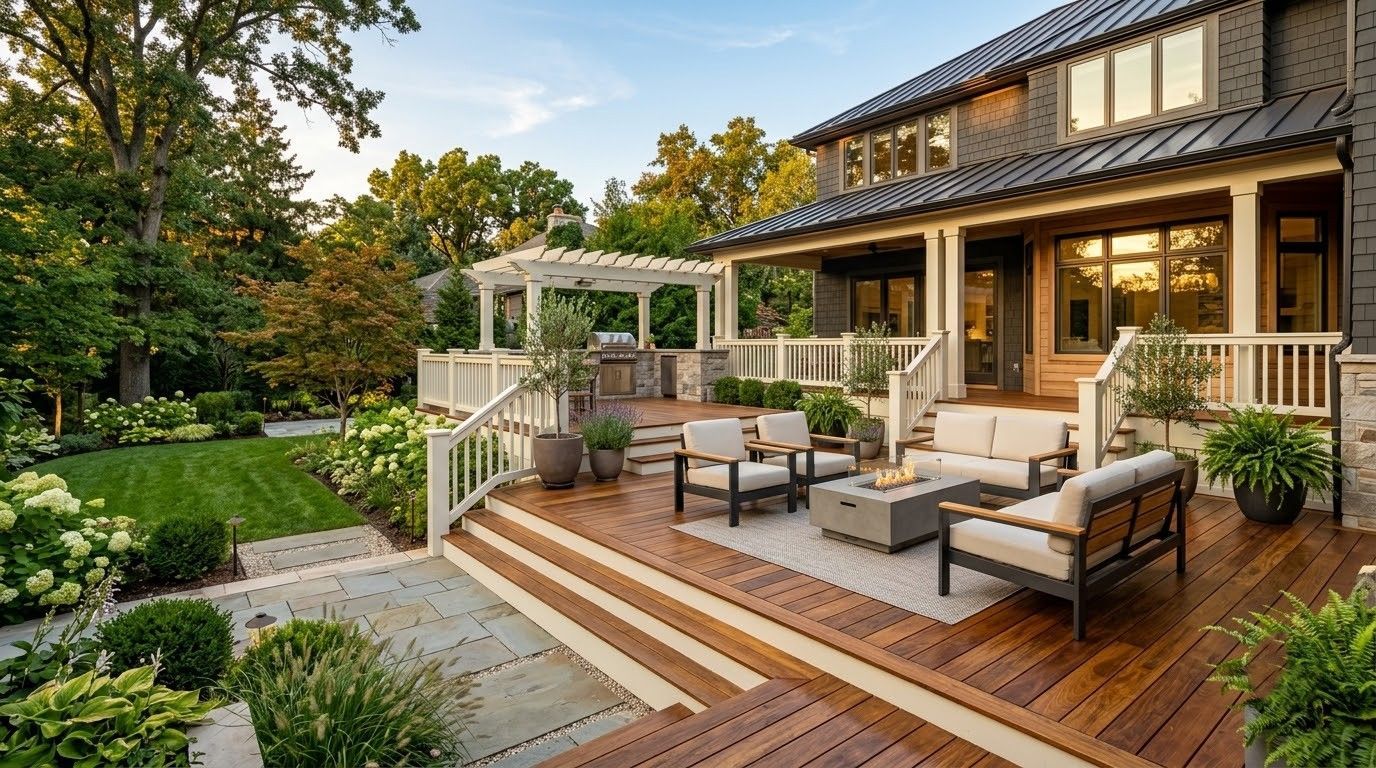
Decks, Porches, and Railings
Horizontal surfaces wear fastest because water stands on them. Stripping, sanding, and using products rated for foot traffic keeps a deck from peeling into strips by the second summer after the work is done.
DEEP CLEAN
Pressure Washing and Prep
Years of pollen, mildew, and chalk have to leave before any coating bonds. Pressure is dialed to suit each surface so siding gets cleaned rather than gouged, and everything dries fully before painting starts.
Common Questions
frequently asked
questions.
Exterior projects raise different questions than interior ones, mostly about timing and durability. Here are the ones that come up before nearly every estimate we write.
What is the best time of year to paint a house exterior?
Late spring and early fall work best in the Upstate. Look for daytime temperatures between 50 and 85 degrees, low humidity, and 2 dry days on either side of the work.
How often should you repaint the exterior of a house?
Wood siding runs 3 to 7 years, fiber cement and stucco stretch to 10 or more, and vinyl varies widely. Chalking, peeling at the edges, and cracked caulk matter more than the calendar.
Do you have to pressure wash before painting a house?
Yes. Paint bonds to the surface it touches, and on an unwashed wall that surface is pollen, mildew, and chalk. Washing is the single cheapest step that extends the life of the finish.
Can you paint a house in humid weather?
Within limits. Above roughly 85 percent humidity, coatings stay open too long and can run or blush. We work mornings, stop before evening dew, and skip days when the numbers do not cooperate.
Can vinyl siding be painted?
It can, with vinyl-safe colors formulated to reflect heat. Going darker than the original shade traps heat and warps the panels, so the palette is limited but the results hold up well.
How long does exterior house painting take?
An average single-story home takes 3 to 5 days, with prep taking more of that than painting. Spartan Painting Services builds weather buffers into every Greenville, SC exterior schedule.
Should I paint or replace my siding?
If the boards are sound and only the finish has failed, paint costs a fraction of replacement and lasts years. Widespread rot, cupping, or repeated moisture damage points toward replacement instead.
How many coats of exterior paint do I need?
Two full coats over a primed surface, always. One coat looks fine on day one and fails early. Spartan Painting Services has quoted exteriors at two coats across Greenville, SC for 10+ years.
We Measure the Opening
STEP 02
Our team takes accurate field measurements of the existing opening, frame, and threshold, since even small discrepancies can cause ordering errors or installation delays later in the process.
HOW WE WORK
FROM WASH TO FINAL WALKAROUND, HERE IS HOW.
STEP 01
Assess Every Elevation
We walk all four sides with you, not just the front. Failed caulk, soft trim, chalking, and problem exposures get noted so the estimate covers the whole house honestly before a single price is written.
STEP 02
Wash the Surface Down
Low-pressure washing strips pollen, mildew, and chalk from every elevation. The house then dries fully, because coating a damp wall is the fastest way to trap moisture behind the finish for the next several years.
STEP 03
Scrape, Sand, and Repair
Loose material comes off back to a sound edge, rough areas get feathered smooth, and damaged wood is repaired or flagged. Nothing gets painted over in the hope it holds through another summer.
STEP 04
Prime and Caulk
Bare wood, repairs, and chalked areas get spot primed. Then joints, corners, and window perimeters are recaulked with a flexible sealant so the envelope is fully closed before the first drop of color arrives.
STEP 05
Coat and Cut
Body color goes on in two full coats, then trim, then doors and shutters. Sprayed and back-rolled where it helps, brushed where precision matters, and always inside the recoat window the manufacturer sets.
STEP 06
Clear the Site and Inspect
Plants come uncovered, walkways get blown clean, and we circle the house with you at the end. Anything missed gets corrected before the ladders come down and the last drop cloth is folded.